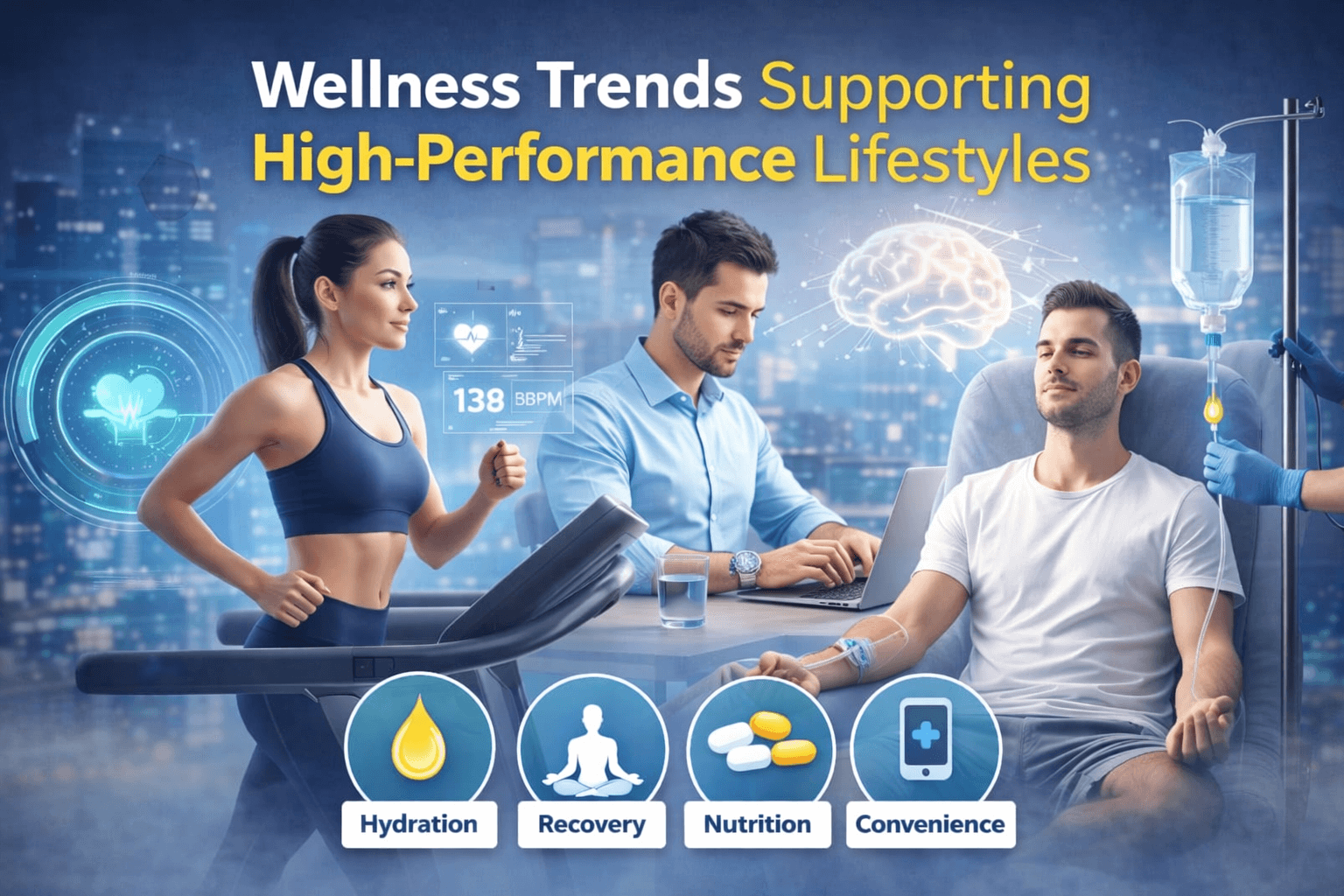
High-performance lifestyles are no longer limited to professional athletes or executives at the top of their fields. Today, entrepreneurs, creatives, professionals, and frequent travelers are all navigating demanding schedules that require sustained focus, physical energy, and mental clarity.
As expectations rise, so does interest in wellness trends that support performance without relying on extremes. Rather than quick fixes, modern wellness emphasizes consistency, recovery, and smarter routines designed to fit into busy lives.
The Shift From Hustle to Sustainable Performance
For years, productivity culture celebrated pushing harder and working longer. Recently, however, high performers have begun prioritizing sustainability. Burnout, chronic fatigue, and declining focus have forced a re-evaluation of what performance really means.
Modern wellness trends reflect this shift. Instead of asking how much more can be done, the focus has moved toward how energy can be preserved, restored, and managed effectively.
This evolution has placed recovery, hydration, and mental balance at the center of high-performance routines.
Hydration as a Foundation of Performance
Hydration plays a critical role in nearly every function related to performance, including circulation, temperature regulation, and nutrient transport. Even mild dehydration can impact focus, reaction time, and physical endurance.
As awareness grows, hydration is no longer viewed as something to address only after workouts or long days. It is increasingly treated as a proactive performance strategy, integrated into daily routines.
This has contributed to rising interest in hydration-focused wellness services, electrolyte balance strategies, and recovery-based approaches to energy management.
Recovery Is Becoming Non-Negotiable
Recovery used to be associated primarily with rest days or post-exercise routines. Today, recovery is seen as an ongoing process that supports both physical and mental performance.
Key recovery-focused trends include:
- Structured sleep routines
- Stress management practices
- Nutrient replenishment
- Active recovery techniques
Rather than being reactive, recovery is now built into high-performance lifestyles as a preventive measure against fatigue and burnout.
Convenience Is Driving Wellness Adoption
One of the most notable wellness trends is the demand for convenience. High performers are often short on time, which means wellness solutions must adapt to their schedules rather than the other way around.
This has led to growth in services that remove friction, such as:
- Digital health platforms
- At-home wellness solutions
- Mobile health and recovery services
The popularity of these options reflects a broader shift toward wellness experiences that are efficient, flexible, and accessible.
Mobile Wellness Services and Performance Culture
Mobile wellness services are gaining attention among individuals who prioritize performance but lack time for traditional appointments. These services allow people to integrate wellness into their routines without disrupting work or travel schedules.
Mobile IV therapy is one example of how wellness services are evolving to meet this demand. By delivering hydration and nutrient support directly to homes or workplaces, mobile IV therapy fits seamlessly into high-performance lifestyles focused on efficiency.
Providers such as Pure IV operate within this space by offering professionally administered mobile IV therapy designed to support hydration and recovery. These services are often used by individuals managing demanding schedules who value convenience alongside professional oversight.
In regions such as Arizona, Nevada, and Utah, mobile IV therapy services offered by Pure IV are increasingly part of wellness routines for people seeking practical recovery options without visiting clinics.
Mental Clarity as a Wellness Priority
High performance isn’t only physical. Mental clarity, focus, and emotional balance have become central to wellness discussions, particularly among professionals and creatives.
Trends supporting mental performance include:
- Mindfulness and stress-reduction practices
- Structured breaks and recovery periods
- Hydration and nutrition awareness
- Digital wellness boundaries
As mental fatigue becomes more recognized, wellness strategies are expanding to support cognitive performance alongside physical energy.
The Role of Personalization in Modern Wellness
Another defining trend is personalization. High performers recognize that wellness is not one-size-fits-all. Factors such as workload, travel frequency, fitness level, and stress exposure all influence individual needs.
Personalized wellness approaches allow individuals to:
- Adjust routines based on performance demands
- Address hydration and recovery more precisely
- Avoid unnecessary or ineffective solutions
This focus on personalization has increased interest in services that tailor wellness support to individual lifestyles rather than generic recommendations.
Wellness as a Long-Term Strategy
Perhaps the most important trend shaping high-performance lifestyles is the shift toward long-term thinking. Wellness is no longer treated as an occasional reset but as a continuous investment in performance, resilience, and quality of life.
Hydration, recovery, and convenience-driven wellness services are increasingly viewed as tools that support longevity rather than short-term output.
Final Thoughts
High-performance lifestyles demand more than discipline and ambition. They require systems that support energy, recovery, and mental clarity over time. As wellness trends continue to evolve, the emphasis is shifting toward sustainable routines that align with real-world schedules.
By prioritizing hydration, recovery, and convenience, many individuals are redefining what it means to perform at a high level — not by doing more, but by supporting the body and mind more effectively.