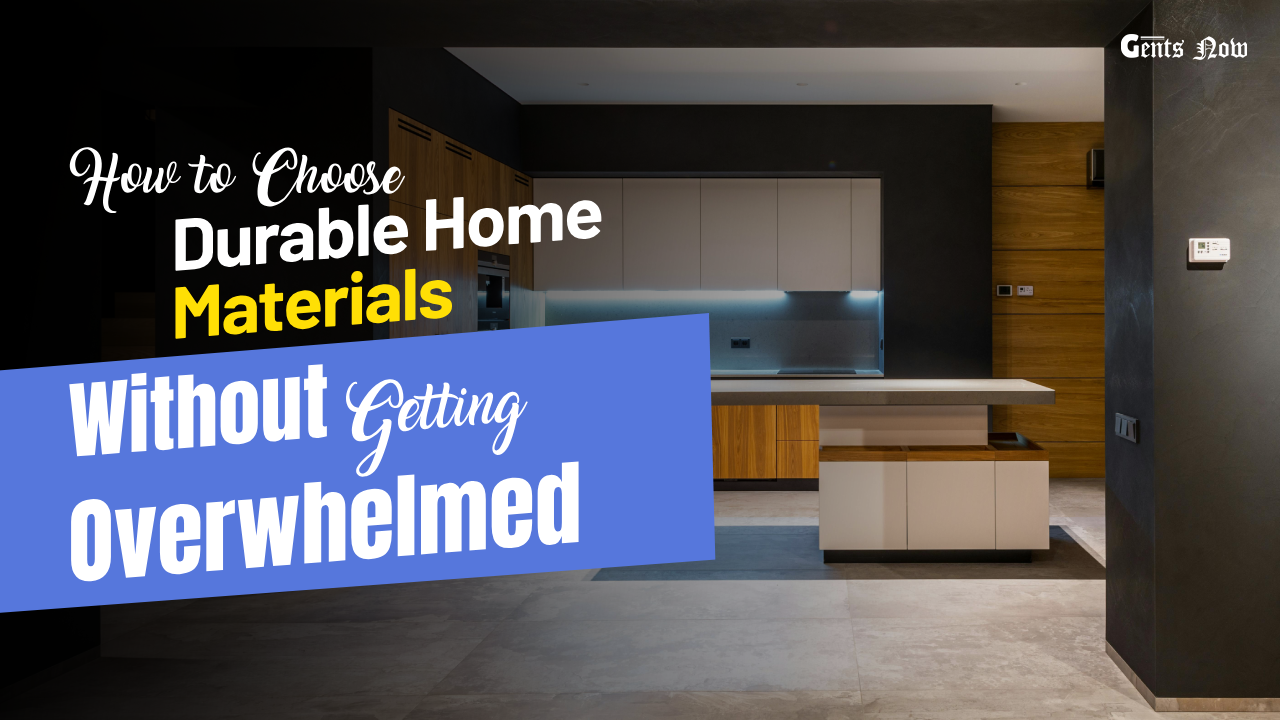
Walking into a Home Depot or scrolling through Pinterest can feel like sensory overload. Marble? Quartz? Luxury vinyl? The material options for your home seem endless, and one wrong choice could cost you thousands.
Here’s the truth: choosing materials doesn’t have to be complicated. You just need a framework.
Start With Your Lifestyle, Not Trends
Before you fall in love with that matte black faucet on Instagram, ask yourself three questions:
1. How much maintenance am I realistically willing to do?
If you’re not the type to reseal natural stone countertops every year, don’t buy marble. Period. Choose materials that match your effort level:
- Low maintenance: Porcelain tiles, quartz countertops, luxury vinyl plank flooring
- Medium maintenance: Hardwood floors, stainless steel appliances
- High maintenance: Natural marble, concrete countertops, brass fixtures
2. What kind of wear will this surface endure?
Your kitchen backsplash needs different durability than your bedroom accent wall. High-traffic areas demand tougher materials.
3. Does this fit my actual budget—not my aspirational one?
Set a realistic number before you research. Otherwise, you’ll convince yourself you “need” the $80/sq ft option when the $15 version works just as well.
The 3-Material Rule: Keep It Simple
Here’s a game-changer: limit each room to three primary materials.
For example, a masculine bathroom might use:
- Concrete-look porcelain tiles for floors
- Matte black metal fixtures
- Natural wood vanity
This creates cohesion without looking like a showroom. When you research materials, you’re only comparing 3 categories instead of 20.
Where to Research Without Falling Down the Rabbit Hole
Step 1: Start broad (30 minutes)
- Google “[room name] + durable materials for men”
- Check 3-5 articles, screenshot options you like
- Note price ranges
Step 2: Narrow to finalists (1 hour)
- Read actual reviews on Houzz, Reddit’s r/HomeImprovement
- Watch one YouTube video per material showing real-world wear
- Check local supplier availability
Step 3: Test in person (Only for big purchases)
- Visit one showroom
- Touch the samples, see them in real light
- Ask about maintenance requirements
Total research time: 2-3 hours max. Not weeks of paralysis.
The Materials That Punch Above Their Weight
These materials look expensive but won’t drain your account:
Floors:
- Luxury vinyl plank (LVP): Looks like hardwood, costs 60% less, waterproof
- Large-format porcelain tiles: Creates a high-end look with fewer grout lines
Countertops:
- Quartz: More durable than granite, no sealing required
- Butcher block: Budget-friendly warmth for kitchens (just oil it occasionally)
Walls:
- Textured tile: Industrial-style tiles add dimension without expensive wallpaper
- Shiplap: DIY-friendly and creates architectural interest
Red Flags: When Materials Are Overhyped
Avoid these common traps:
❌ Natural marble in bathrooms – Stains from toothpaste, etches from cleaning products
❌ Trendy geometric tiles – You’ll hate them in 3 years, they’re expensive to replace
❌ Ultra-matte black everything – Shows every fingerprint and water spot
❌ Cheap laminate countertops – Look budget, peel at edges within 2 years
The Real Secret: Samples Are Free
Before you commit, get physical samples:
- Most tile shops offer free samples
- Paint stores give sample pots
- Cabinet makers have door samples
Live with them for a week. See them in morning and evening light. Put your coffee mug on the countertop sample. This 7-day test prevents expensive regrets.
When to Splurge vs. Save
Splurge on:
- Flooring (you’ll see it daily for 10+ years)
- Kitchen countertops (durability matters here)
- Bathroom fixtures (cheap ones leak and look dated fast)
Save on:
- Paint (quality matters, but brand doesn’t)
- Cabinet hardware (swap easily when style changes)
- Decorative tiles (use as accents, not entire walls)
Want to know when to hire a professional versus DIY these material installations? That’s next.
Conclusion
Choosing materials isn’t about having perfect taste; it’s about matching quality to your lifestyle and budget. Research for hours, not weeks. Test with samples. And remember: the best material is the one you’ll actually maintain.
Your space should work as hard as you do. Choose accordingly.